
How to Write a Resume That Gets Attention
Job hunting feels easier once you realize that one resume can open doors to new opportunities. Catching an employer’s eye is less about luck and more about good resume writing.
Standing out from hundreds of applicants matters for every candidate and every career level. Hiring managers scan resumes quickly, so making a great impression from the start pays off.
If you’re ready to see real results from your resume writing, explore the actionable steps in this guide. Simple adjustments can transform your document into your best tool for landing interviews.
Craft an Eye-Catching Layout for Immediate Impact
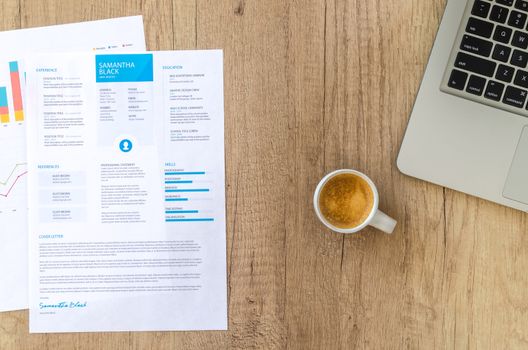
Readers know if a resume works within seconds. Adopting a layout that guides their attention means more of your strengths are noticed right away.
If your resume writing looks cluttered or text-heavy, it loses the initial impact. Clarity, organization, and simplicity help your skills stand out during that fast first scan.
Order Content Strategically for Fast Understanding
Hiring managers don’t search for details—they want context. Start with your strongest area, like a skills summary or recent achievements, to show quick value in your resume writing.
If you’ve switched industries, highlight transferable skills high up. A focused, tailored summary at the top helps the reader connect your background to the position quickly.
Someone who says, “I streamlined onboarding for 45+ staff in 2023, reducing ramp-up by 30%” gives a tangible result right up front, prompting a manager to keep reading.
Select Fonts and Colors That Demonstrate Professionalism
Sleek fonts like Arial or Calibri, set in 11–12pt, make resume writing readable. Choose black text on white for clarity, adding one accent color only for headings if desired.
Too many colors distract. Think of your resume as a storefront window—simple, clean displays draw people in. Aim for legibility so your content is always the star.
Margins of at least 0.5 inch keep details from appearing crammed. Elegant design choices underscore your attention to detail without overshadowing key information.
| Layout Element | Examples | Best For | What To Do |
|---|---|---|---|
| Font Choice | Calibri, Arial | All industries | Use 11–12pt for readability |
| Accent Color | Navy for headings | Modern companies | Limit to one color |
| Layout Order | Skills-first | Career changers | Put relevant skills at the top |
| Margins | 0.5–1 inch | All resumes | Give every section breathing room |
| Section Headings | Bold, larger font | Direct readers | Label clearly for each area |
Use Powerful Language to Make Achievements Pop Instantly
Short, action-packed phrases make resume writing jump off the page. Lean verbs convince the reader you’re active, focused, and capable.
Numbers highlight your results, offering proof. Instead of “handled social media,” write “grew platform followers by 40% in eight months.” Quick, concrete claims spark hiring manager interest.
Swap Passive Lines for Active Results
Replace “responsible for customer service” with “resolved 50 customer issues weekly, holding a 96% satisfaction rate.” Vivid results stay in a reader’s mind after they’ve finished scanning resumes.
- Highlight specific project outcomes for instant credibility, like “Cut supply costs by 23% using vendor review—showing resourcefulness and leadership in your resume writing.”
- Emphasize completion: “Delivered three enterprise solutions two weeks early; respected deadlines earn trust in technical roles and management.”
- Show real numbers: “Managed a $500K client account portfolio, increased upsell close rates by 31%; numbers make claims in resume writing visible.”
- Focus quickly: “Promoted twice in two years for process improvements—gives context and signals your drive to future employers.”
- Describe collaboration: “Coordinated tasks among a team of eight, improving workflow; teamwork wins favor with companies looking for interpersonal skills.”
Strong verbs like “delivered,” “expanded,” and “created” are the backbone of effective resume writing—more impact, fewer words.
Trim Filler to Tighten Each Statement’s Impact
If you’d say something face-to-face, include it. If not, cut it from your resume writing. Shifting from “assisted with inventory” to “inventoried 200+ SKUs monthly, reducing stockouts by 12%” makes your value clear.
- Cut vague words—swap “helped” for what you did directly, detailing actions in your resume writing to clarify contribution.
- Focus every line—keep only what advances your fit for the role, especially when adapting your resume writing for different jobs.
- Skip clichés—ditch “team player” and show teamwork through achievements, increasing credibility in your resume writing.
- Remove unnecessary adjectives—strong resume writing relies more on facts and verbs than on generic positive words.
- Edit down education—list only degree, program, and school, plus awards or projects if especially relevant to your resume writing goals.
Review every sentence for clarity. Well-edited resume writing earns attention for what counts, not what fills space or looks good only on paper.
Target Each Resume for the Job You Want—and Get Past Screening Software
Reading the job description closely lets you tailor your resume writing for each application. Mirroring company language improves your odds at getting noticed by employers and resume scanners.
Extract the Right Keywords From Job Listings Now
Scan every posting for both industry jargon and specific software or soft skills. Make a list, then weave them into your resume writing so each scan matches your relevance.
If the job asks for “project management mentoring experience” and “data analysis,” reflect those words in both your summary and skills sections. Blend them in naturally for a better fit.
Here’s a single actionable step: after each job posting review, double-check that each resume writing update features the key requirements in your own words, matching the company’s tone and style.
Test With Online Tools for ATS Optimization
After customizing your resume writing for each job, run it through a free scanner to spot missing keywords or formatting errors. This uncovers small gaps before employers do.
Align section headings with the most common choices: “Professional Experience” instead of “Job History,” “Core Skills” instead of “Capabilities.” These details in resume writing help avoid being filtered out by automated systems.
If your resume writing looks clear to a robot and a person, you’re much closer to landing that interview invitation—double impact in one well-constructed document.
Transform Your Resume into the Best Reflection of Your Career
Strike a balance between function and style in your resume writing. Each word, section, and bullet can help you showcase your strengths clearly and authentically to employers.
Effective resume writing improves your chances with recruiters and makes your job applications more competitive. These strategies turn your experience into interviews instead of missed opportunities.
Use this guide every time you update, refresh, or customize your resume writing. The steps above can lead directly to your next career success—one polished resume at a time.