
Everyone wants to leave work on time and actually feel accomplished. Figuring out time management skills isn’t some magical process—it’s learning practical habits you can start using right away.
Deadlines sneak up, inboxes fill, and meetings interrupt focus. That’s why time management skills matter across every role, helping you improve workflow and reduce stress with real strategies that actually stick.
Ready to get more out of your workday? This actionable guide walks you through specific examples, rules, and scripts for time management skills at work.
Creating Realistic Daily Plans Prevents Overwhelm
When you set up a plan for the day, you provide structure—and avoid getting pulled in ten different directions. This section covers routines that actually work.
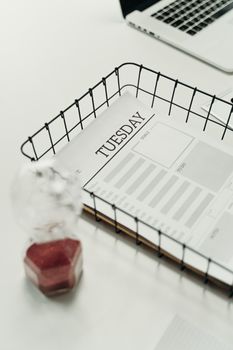
Start each day by writing your tasks on paper or in a digital list. Listing out responsibilities keeps priorities clear and builds your time management skills with practice.
Breaking Tasks Into Steps Makes Progress Visible
Instead of writing “prepare quarterly report,” write down each small task: gather data, review results, draft summary. It’s easier to see what’s next and spot bottlenecks.
If you finish a mini-task, take 30 seconds to check it off. That sense of momentum encourages continued use of strong time management skills all day.
Script for a daily planner: “List the three most critical items first. After you handle those, move to lower-priority tasks—don’t skip around.” Try this for a week.
Buffer Time Reduces Stress From Surprises
Allocate extra minutes after meetings or projects. For example, leave 15 minutes unscheduled between big tasks. This simple shift enhances your time management skills by reducing last-minute stress.
When someone asks, “Can you chat right after the 2 p.m. call?” Practice saying, “I need a 15-minute break, let’s start at 2:15 instead.” This honors your plan.
Analogous to packing for a trip: if you allow no space in your suitcase, new items cause frustration. Buffer time lets new priorities fit without chaos.
| Planner Method | Time Commitment | Best For | Actionable Takeaway |
|---|---|---|---|
| Paper Planner | 5 min/day | Tactile learners | Write three top tasks in ink |
| Digital App | 10 min/day | Tech-driven roles | Set task deadlines with reminders |
| Sticky Notes | 3 min/day | Visual thinkers | Post tasks in sight on monitor |
| Calendar Blocking | 15 min/week | Projects with meetings | Block time for each task and break |
| Voice Memos | 2 min/day | On-the-go roles | Record urgent tasks morning and night |
Prioritizing Tasks Makes the Most Impact Each Workday
Choosing where to spend your time maximizes daily impact and strengthens time management skills. Use a decision framework to stay focused and efficient.
Sort your list by importance, not by what’s loudest or most recent. This habit ensures the highest-impact work gets attention even on the busiest days.
Apply the Eisenhower Matrix to Task Sorting
Label tasks urgent or important. Urgent means deadlines; important means strategic. People say, “Email is urgent, but planning is important.” The quickest win is to tackle important items first every morning.
If your boss says, “Give me a quick update before noon,” that’s urgent and important. Filing expenses: important but less urgent. Let the grid guide where you start.
- Flag urgent and important tasks each morning to prevent urgent-low-value work from dominating your schedule. This trains your internal time management skills filter.
- Batch non-urgent, non-important items for Friday afternoons, lowering workload pressure midweek and creating space for real priorities earlier on.
- Communicate your plan if others interrupt: “I’m working through a top-priority item—can I check in after I finish?” Self-advocacy supports effective time management skills.
- Use calendar blocks for strategic work, shielding time for big projects and reducing context-switching throughout the day. Your focus time becomes a recurring appointment.
- Celebrate when you protect focus, even small successes. This builds motivation to keep strengthening your time management skills with each passing week.
Prioritizing allows you to finish real goals instead of just putting out fires. Consistent practice builds confidence in your time management skills approach.
Say No to Stay on Track
Turn down low-priority requests by suggesting a more realistic timeline: “I can help after 3 p.m., does that work?” This keeps your planned focus undisturbed and models ownership of time management skills.
Write out possible scripts for awkward moments. “I’m booked right now—let’s revisit this Friday.” Keeping boundaries polite, you steadily reinforce time management skills and respect among peers.
- Politely decline when overwhelmed: “I want to give this project attention, but I have deliverables due first. Can we look at next week together?”
- Offer realistic alternatives for simple asks, such as, “Happy to send quick feedback in writing by end of day.”
- Redirect drop-in requests: “Scheduling it will allow me to be thorough—what’s your availability tomorrow?”
- Outsource when possible: “Jen, can you handle these reports? I’ll review your summary after my meeting.”
- Document time blocks on your calendar, so colleagues see your working slots—visual signals help reinforce your time management skills without confrontation.
Being direct encourages others to respect your schedule, making disciplined time management skills a respected workplace trait.
Eliminating Distractions Boosts Productivity and Mental Energy
Removing distractions keeps your mind clear, allowing your time management skills to get results instead of simply prolonging your workday through frustration.
When you know what to block, you protect focus and move through important work smoothly while keeping stress low and outcomes high for your team.
Controlling Digital Interruptions for Deep Work
Mute chat notifications before challenging tasks. Set your status to “Do Not Disturb.” Reinstate alerts after you finish; your time management skills become visible to others who learn from your example.
If phone pings tempt you, leave your device in a drawer until scheduled breaks. This habit reinforces discipline and treats time management skills as a daily routine, not a special event.
Set a recurring “focus block” each morning for your hardest work. After three days, others adapt, emailing or messaging you in the afternoons.
Optimizing the Workspace With a Visual Checklist
A clean desk signals that distractions are not invited. Each evening, spend five minutes filing papers and clearing workspace clutter to refresh your focus for the next day.
Sticky notes with daily targets reinforce your top priorities. Try using different colors for urgent versus non-urgent tasks, making visual cues a part of your time management skills toolkit.
Keep water, snacks, and needed documents within arm’s reach so breaks are intentional. One trip to the supply closet per day, not multiple—this adds structure and minimizes lost time.
Conclusion: Building Sustainable Time Management Habits for Success
Each section contributes a core piece—planning, prioritizing, and minimizing distractions—to strengthen your time management skills and create smoother, more focused workdays.
No matter the job, these examples and scripts fit real schedules and challenges, helping you actually build new habits that stick.
Make small changes today—write a better to-do list, set one focus block, or politely say “not right now”—and see how far your time management skills can take you.