
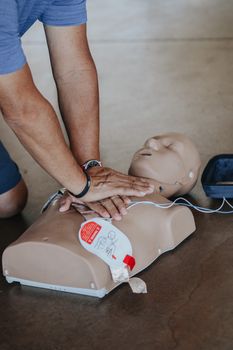
Workplace Safety Certification Requirements and Benefits: Build Skills for Safer Teams
Bringing safety into focus isn’t just about hazard signs or hard hats. The story begins with knowing how to stay protected and what workplace safety certification can unlock for any team.
From construction crews on busy sites to the quiet corners of office buildings, understanding safety requirements matters for everyone. One overlooked error can ripple through an entire company’s well-being.
Inside this article, explore how workplace safety certification shapes careers, supports compliance, and boosts daily confidence at work—no matter your experience level or role.
Choose the Right Workplace Safety Certification Path to Fit Your Role
Identifying the right workplace safety certification is a skill itself. The different paths cater to industry, job function, and career goals, helping you target exactly what matters most at work.
When a worker says, “I’m not sure which certificate fits my duties,” it’s a cue to evaluate job tasks, company standards, and regulatory demands. These details guide your next steps toward compliance.
Aligning Certification With Your Everyday Work
If your daily tasks focus on machinery, lockout/tagout certification saves hands and lives. Think of it like car insurance: you hope you never need it, but you’re grateful if you do.
Meanwhile, office staff might look for ergonomic or first aid training. Each workplace safety certification responds to job-specific risks, showing managers and peers you’re invested in a culture of safety.
For example, a logistics coordinator who handles hazardous material will benefit from HAZMAT certification. This proves to employers that you take the extra steps to manage risks responsibly.
Scenario and Matching Action
A warehouse supervisor notices more near-misses than usual. Reviewing records, they realize a basic forklift safety certification would keep the team safer and reduce downtime from small accidents.
You can copy, “Let’s all complete the forklift safety module this week,” and track improvements. Actionable requests like this keep everyone focused on measurable outcomes—no wasted time or resources.
Practical steps tie certifications to real scenarios. Each decision should feel as purposeful as wearing steel-toed boots where heavy items are handled.
Checklist: Get Started With the Right Certification Plan
– Analyze all hazards listed in your current job description.
– Search required certifications in your state or industry.
– Set reminders to renew expiring workplace safety certifications.
– Meet with your supervisor to confirm compliance needs.
– Review peer feedback on specific course providers.
This step-by-step process gets the right workplace safety certification in your hands efficiently and ensures your company meets every regulatory check.
| Role | Recommended Certification | Renewal Period | Next Step |
|---|---|---|---|
| Construction Laborer | OSHA 10-Hour | Every 5 years | Schedule annual refresher |
| Office Manager | First Aid & CPR | Every 2 years | Find local course |
| Machine Operator | Lockout/Tagout | Annual | Create yearly review calendar |
| Chemical Handler | HAZMAT | Every 3 years | Submit HR compliance form |
| Warehouse Forklift Operator | Forklift Safety | Every 3 years | Track certificate in HR system |
Understand Compliance and Track Your Safety Certification Status
To avoid fines or downtime, you’ll want your workplace safety certification status current and tracked. Here’s how busy teams check, renew, and confirm compliance seamlessly.
Many companies keep a digital dashboard listing every worker’s workplace safety certification and expiration. A simple calendar alert or color-coded chart flags what certifications need attention.
Building a Compliance Checklist
Use a monthly review to keep all required documents within arm’s reach. You can set reminders before any certificate expires, preventing scramble or lapses that could trigger regulatory headaches.
- Input every team member’s expiration dates to a spreadsheet—this ensures nothing gets missed, and HR can spot gaps in coverage quickly.
- Assign one safety lead per shift to double-check records. A second pair of eyes helps avoid costly mistakes before an audit or site visit.
- Mark color codes for certificates that are about to expire; red for urgent, yellow for coming due soon, green for certified—this signals priority at a glance.
- Send regular email updates to the team listing which workplace safety certifications will expire within 90, 60, and 30 days, so nothing slips through the cracks.
- Store scanned copies of certifications in a secure, cloud-based folder. That way, any supervisor or inspector can access them on demand for fast verification during checks.
These simple habits mean no last-minute rush, reduced risk of noncompliance, and stronger teamwork—everyone knows exactly where things stand.
Recognizing Red Flags: When Certification Is Outdated
Red flags include missing names, expired dates, or unclear authority signatures on certificates. If you find one, fix it immediately by confirming the correct training with your course provider.
Say “I noticed my lockout/tagout isn’t showing this year’s date—can you help me verify it’s current?” Clear direct requests resolve confusion and prevent a lapse in safety coverage.
- Ask managers for the approved list of courses and providers for each role to ensure valid certifications are on file and recognized by industry regulators.
- Use digital document management tools that remind you automatically rather than relying solely on memory, especially if you supervise many people’s records.
- Check state or federal requirements at least once a year. Changes in law mean certifications must sometimes be upgraded or replaced to keep everyone legal and safe.
- Review audit logs from HR systems regularly. Missing certification in reports should be escalated, so compliance gets restored before inspections arise.
- Encourage anyone noticing problems to notify their manager so solutions get fast-tracked and the workplace safety certification process stays strong.
Addressing issues right away means your workplace safety certification remains a shield for both workers and the company—never just a checked box on a form.
Strengthen Team Communication Through Certification Training Practices
Regular workplace safety certification training provides shared language and skills, making it easier for colleagues to signal risks, correct errors, or ask for help confidently.
Imagine a busy kitchen. If every cook and server knows certified protocols, a single word like “spill” sends the right people moving without confusion—safety becomes second nature.
Speak Up and Share Knowledge Clearly
Workers who say, “This isn’t how I was trained,” open the door for helpful corrections. Team discussions around workplace safety certification build trust and prevent silent mistakes.
A quick, “Let’s review the steps together,” reinforces best practices and includes quieter voices. Teams with mutual support consistently score higher in safety audits and performance reviews.
Analogously, like practicing a fire drill, running regular certification refreshers ensures that everyone knows what to do even under pressure, not just on paper.
Rapid Response Using Shared Procedures
Consider two coworkers noticing a chemical leak. Training tells them exactly which shutoff to use, who to alert, and how to contain the spill—no guesswork, just action.
Scripting such as, “I’ll handle the shutoff, please fetch the spill kit,” eliminates hesitation and ensures no one tries to fix a problem they’re not trained for.
Effective training means survival steps become automatic. Like buckling a seatbelt without thinking, safety practices kick in instinctively, making workspaces more resilient every day.
Reduce Injury and Liability With Proactive Certification Refreshes
Frequent renewal of workplace safety certifications slashes the risk of accidents and legal concerns. Here’s how companies schedule, deliver, and reinforce refresher courses for peace of mind.
Unlike one-time efforts, refresher training anticipates changes in machinery, standards, or team composition. Annually, send team-wide reminders to sign up for the next course before current credentials expire.
Mini Scenario: New Equipment Arrives
A warehouse receives a new lift. Managers use workplace safety certification refreshes to ensure everyone, even experienced operators, learns the unfamiliar controls before the equipment is used.
Saying “Let’s test on the new lift before it rolls out” can prevent accidents caused by overconfidence. Everyone starts with the same knowledge for a level playing field.
Quick review sheets, pop quizzes, or real-life drills reinforce that safety isn’t a routine—it’s an active choice. Keep engagement high by asking for feedback after each refresher.
Level Up Career Prospects by Displaying Your Certifications
Promotions and better jobs come to those who keep workplace safety certification visible. Supervisors notice, and applicants with current certificates climb applicant lists quickly.
Treat your certification like a professional ID badge. Add it to resumes, LinkedIn profiles, email signatures, or job applications—”OSHA 30 certified as of 2024″ grabs attention instantly.
Example: Requesting Recognition
When review season rolls around, share your certificate list with managers. “I’ve completed all required trainings and renewed my workplace safety certifications as scheduled—can we discuss next steps?”
Direct presentations of certifications show you take initiative. It also signals to employers that you value reducing incident risk and preventing expensive investigations.
In hiring, current workplace safety certification can make you the first pick for more specialized, higher-paying roles. Employers rely on documented skills to sort candidates.
Job Advancement Script
Let’s say a job posting reads, “Forklift Certification Required.” Respond confidently by attaching your scanned document and noting, “My certification is valid through 2026.” This closes the hiring loop faster.
When asked in an interview, say “I renew my workplace safety certification yearly because I understand how crucial it is for team safety.” Succinct statements like this show you’re proactive and serious.
Don’t let certificates gather dust; display them as a sign you’re both prepared and competitive in your field—ready for the next opportunity.
Build a Strong Safety Culture With Consistent Certification Habits
Teams should make workplace safety certification part of daily workflows. These habits foster responsibility, shared standards, and pride in maintaining a hazard-free environment at every stage.
Lead by example. Supervisors who renew their own workplace safety certification on time signal its value to the rest of the team and inspire others to do the same.
Habit Checklist for Safer Workplaces
– Schedule monthly peer reviews of safety certificates to spot errors or expiring documents early.
– Rotate the role of safety ambassador so every team member helps manage compliance at some point during the year.
– Host short safety talks focused on one certification topic each week to keep knowledge fresh and relevant.
– Incentivize early completion of required courses with gift cards or recognition at staff meetings, creating friendly competition.
– Share positive feedback in group chats or huddles when someone handles an incident using certified procedures. This builds morale and reinforces good habits.
These actions bind safety into company culture—not as a chore but as a shared achievement everyone supports.
Embrace Workplace Safety Certification as a Daily Strength
Workplace safety certification keeps businesses operating legally and employees confident in their knowledge. It builds teams prepared to respond, adapt, and grow in any industry environment.
Your dedication to certification turns paperwork into tangible skill. Each renewed credential isn’t just a requirement—it’s a tool for career growth and personal peace of mind at work.
Make certification an active habit. Take pride in the protection you provide for yourself, coworkers, and the business—making every day safer, smarter, and more rewarding.