
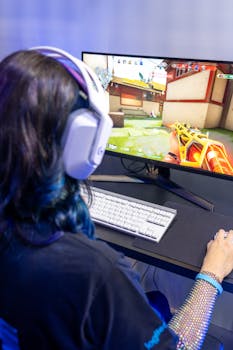
Simple Tips to Improve Your Aim in Shooter Games: Achieve Consistency and Precision
Straight shooters stand out for their accuracy, and small adjustments in training routines can bring real aim improvement. Even one quick change helps fix missed targets or awkward shots.
For competitive and casual players alike, better aim increases both confidence and enjoyment. Movies make aiming seem effortless, but true aim improvement takes practical steps and consistent practice.
This article provides actionable, field-tested strategies for aim improvement in shooter games. Read ahead for precise steps, real-world examples, and mini checklists you can follow today.
Building Reliable Mouse and Sensitivity Settings for Aim Stability
Finding the ideal mouse sensitivity leads directly to aim improvement. Tweaking these numbers gives every player a repeatable foundation to build better habits and muscle memory.
First, pick a sensitivity value that feels natural when tracking targets. Sticking to one value over weeks gives your hands and brain consistency, improving muscle memory and focus.
Switching DPI for Precision
Changing the DPI setting mimics adjusting the gear on a bicycle: a lower gear makes uphill climbs (precise aiming) easier but slower. Choose a DPI that suits your playstyle.
As you experiment, note how fast or slow your crosshair moves when you swipe the mouse. Stable DPI equals greater aim improvement over repeated play sessions.
A direct comparison—if you’re overshooting targets, lower your DPI and increase your desk area. This gradual process prevents frustration during aim improvement exercises.
Setting In-Game Sensitivity for Control
Each shooter game handles sensitivity differently. Pick a consistent value using the in-game options and record it. This way, you ensure accuracy even when switching games or accounts.
Visualize your crosshair movement as tracing a straight line. If you see wobbles, drop sensitivity slightly and retest. Clear feedback encourages steady aim improvement across diverse maps and weapons.
If friends say “You overshot that target again,” take it as a cue to lower your setting. Write a post-it note with your value, and double-check it before each play.
| Setting | Adjustment | Result | Actionable Tip |
|---|---|---|---|
| Mouse DPI | Lower | More control | Reduce DPI, use full mousepad |
| In-Game Sensitivity | Fine-tune | Predictable crosshair | Test by tracking corners |
| Mouse Weight | Lighter | Less fatigue | Try lightweight model |
| Mousepad Size | Larger | More movement freedom | Swap for big surface pad |
| Polling Rate | Higher | Smoother updates | Set to at least 500Hz |
Training Routines that Enhance Real-Time Aiming
Good aim improvement comes from practicing in focused, repeatable routines. Dedicating fifteen minutes each day to drills helps build lasting muscle memory and sharp reflexes.
Split daily sessions into tracking, flicking, and target-switching. These routines solidify aim improvement by teaching your hand the right patterns and reflexes for real encounters.
Designing Daily Aim Drills
Effective drills cover raw accuracy and smooth target transitions. For example, try flicking between targets lined in a row, keeping the mouse speed steady and recoil in check.
Don’t rush: aim improvement comes from doing the exercise slowly and steadily, then adding speed in later repetitions. Compare your results day by day with short notes.
- Warm up hands before intense drills to prevent strain; popping fingers in between helps reset tired muscles for smooth, responsive aiming.
- Track moving bots at different speeds to simulate enemy movements, giving your aim improvement routines real-game impact.
- Practice shooting bursts at close-range and long-range targets to adapt reflexes for every in-game scenario you encounter.
- Flick to the farthest visible target, then return to the original spot: this builds dynamic, in-game ready muscle memory while keeping focus steady.
- Cooldown with gentle, slow tracking across the whole screen. This relaxes hands and signals your routine is complete, setting a baseline for aim improvement tomorrow.
Note your performance on a notepad or app after every session. Only adjust routines when results plateau for several days, keeping aim improvement steady and measurable.
Simulating Game Scenarios in Training
Create drill situations matching common fights. Stand behind a virtual wall, peek out, and immediately aim at a pixel — replicating split-second duels for realistic aim improvement.
Post-aiming, take a second to breathe and relax the mouse grip, mimicking the ebb and flow of real matches. If tension builds, shake it out before your next drill.
- Peek, shoot, and return to cover, using a timer: this simulates an actual firefight sequence and solidifies the right tempo for aim improvement.
- Circle a target while firing short bursts, practicing both movement and sustained aim precision without drifting crosshair placement.
- Keep a “three wins” checklist: hit three targets in a row, reset after a miss. This keeps focus on real progress and builds consistency in aim improvement efforts.
- Engage in short one-minute drills with maximum speed, followed by slower accuracy rounds. This sequence replicates combat intensity and recovery, cementing rapid adaptation.
- Limit drill length to short intervals with rests between. Fatigue leads to sloppiness, so resting is crucial for real aim improvement gains over time.
Integrate realistic voice commands: say “peek and fire” out loud to create mental triggers, building automatic reactions for your next shooter match.
Reading and Reacting to Enemy Movements in Real Time
Spotting patterns and adjusting on the fly leads to rapid aim improvement during matches. Learning to anticipate opponents lets you react reluctantly, not impulsively.
This method focuses on visual cues—what rivals do before shooting—and keeping your crosshair aligned so you can pull the trigger the moment a target peeks.
Recognizing Predictable Patterns Fast
After several rounds, you’ll notice certain players jump before peeking or pause before firing. These micro-moments give you a head start for decisive aim improvement.
Picture noticing an enemy always strafes twice, then fires. Memorizing this cue means you move your crosshair early and start firing before they finish moving.
Log unique habits—in your own words, “that guy bobs up before firing,”—then practice responding to that movement in training or in your next session for consistent aim improvement.
Staying Centered on High-Traffic Angles
Keep your crosshair at head height and predict likely entry points. If you’re aiming where enemies appear, your aim improvement will show in both stats and team win percentage.
Drawing invisible lines on the map, line up your crosshair as you round corners. This targets potential threats before they materialize, buying valuable reaction time.
Compare two approaches: trailing the crosshair behind your movement means late reactions. Instead, keep the crosshair locked ahead—the phrase “always be ready” can become your guiding script for aim improvement.
Positioning and Movement Techniques for Sharper Shots
Proper positioning combines smart cover use with peek timing, making aim improvement easier. Standing in the open should be rare. Instead, master movement patterns that expose less of your presence.
Crouching or counter-strafing while firing tightens shot grouping, which translates directly to better aim improvement. Both habits allow quick escapes or re-positions after each duel.
Shoulder Peek with Precision
Practice short shoulder peeks behind walls. As you pop out and retreat immediately, collect visual info without exposing yourself to danger—think “step and check” as your routine cue.
This swift peek also lets you recalibrate your crosshair before the next engagement. Do this repeatedly to link vision with quick aim improvement in every match.
Setting up safe shoulder peeks in custom lobbies builds automatic responses under pressure. Record how many times you survive a duel using this technique each session for bonus motivation.
- Pick a cover spot and alternate peeking left/right: builds ambidextrous muscle memory, crucial for aim improvement when under fire from multiple angles.
- Strafe back and forth before shooting, returning to cover: keeps your movement unpredictable and makes you a harder target while maintaining control over your aim.
- Only crouch when you know the enemy’s location: this tightens spread, but excessive crouching limits mobility and invites return fire, reducing overall aim improvement impact.
- Jump or bunny hop sparingly: only when escaping, never while aiming, since mid-air shots disrupt accuracy and disrupt solid aim improvement across sessions.
- Reposition immediately after firing: moving post-shot reduces the chance of counter-snipes, keeping your aim improvement gains from going to waste late in the match.
Bookmark your favorite movement tips in a note app, and review before matches. Small checks like this loop back to steady aim improvement over weeks.
Adjusting Hardware and Environment for Peak Performance
Tuning hardware settings and your desk environment adds another level to aim improvement. Comfortable setups mean less strain, steadier hands, and easier focus through long play sessions.
Control lighting: soft, ambient light prevents eye strain, which keeps your vision sharp for aim improvement. Avoid harsh overhead bulbs or cluttered desk spaces that distract from aiming routines.
- Secure a sturdy, non-slip mousepad: sliding pads cause aim drift, so check and adjust placement for reliable aim improvement every session.
- Raise your monitor to eye level: it reduces neck fatigue and strains during aiming, making micro-aim adjustments more comfortable and consistent.
- Keep a clean desk: move drinks, snacks, or cords away from the mouse space to allow free hand motion, directly contributing to a smoother aim improvement curve.
- Use a lightweight, wired mouse: wireless lag or heavy mice slow your response, so test lighter models for optimal control and snap aiming precision.
- Wear proper headphones: sound cues reveal hidden enemies or gunfire direction. Better audio input is a subtle but powerful tool for real-world aim improvement.
Reset your setup monthly: dust off hardware, check cable placement, and update drivers. Routine tweaks ensure long-term aim improvement stays on track.
Building Confidence and Reducing Tilt During Matches
Mental strength keeps aim improvement consistent. Staying calm after missed shots helps reset nerves and prevents a cycle of frustration, the so-called “tilt.” Lower anxiety improves reaction time overall.
Set short-term goals such as “land three clean headshots this match” regardless of outcome. Achieving these smaller wins fosters lasting aim improvement even during losing streaks.
Creating a Reset Ritual Mid-Game
After a rough round, stand up, stretch your hands, and take a slow breath. This separates disappointments from the next engagement and renews your focus for better aim improvement.
Visualize landing the next shot, imagining exactly how you line up your crosshair and squeeze the trigger. Visualization bridges the gap between training and execution for reliable aim improvement.
End a session on a win, not after a loss. This simple rule reinforces positive feelings and keeps your brain eager for another try at aim improvement tomorrow.
Switching Routines in High-Pressure Matches
If you sense frustration building, switch your strategy: play passive for a round, then return to aggressive play. Altering tempo recalibrates your mindset and supports aim improvement.
Phrase like, “Let’s take it slow this round,” can guide your shift. Use these small routine swaps to break a negative streak and protect long-term aim improvement returns.
Reward yourself for milestones, not just wins. Tracking improvements by number of clear headshots or duels won provides a broader sense of progress in your aim improvement routine.
Collecting Feedback and Tracking Progress Over Weeks
Documenting gains and mistakes transforms guesswork into sustained aim improvement. Regular reviews of in-game performance, like comparing kill-to-miss ratios, show precisely which strategies deliver results over time.
| Metric | Why Track | Tracking Example | What To Adjust |
|---|---|---|---|
| Headshot Ratio | Shows aim precision | Record after 10 matches | Increase head-level crosshair exercise |
| Flick Accuracy | Measures snap reflexes | Drill with fast moving targets | Lower sensitivity if missing |
| Reaction Time | Tracks real speed | Use aim trainers with time-stamped scores | Add short play bursts |
| Kill/Death Ratio | Overall game impact | Log after each session | Adjust playstyle and drills |
| Drill Completion | Keeps routines on track | Check off daily drills | Tweak frequency or variety |
Document improvements using screenshots or game clips if possible. Watching these playbacks helps you identify missed shots, reaction time gaps, and moments of great aim improvement in action.
Long-Term Habits for Making Aim Improvement Second Nature
Committing to routine drills and environmental checks cements aim improvement in both muscle memory and mindset. Progress may seem slow at first, but habits layer skill for automatic accuracy over time.
Revisit routines monthly, adjusting only when stats plateau. Cross-reference changes with new map releases or updated game mechanics for continuous, tailored aim improvement in every future match.
Aim improvement begins with small tweaks—mouse settings, daily exercises, environmental upgrades—and evolves with regular reviews and growing confidence in your own routines.
Whether climbing the ranks solo or playing casually with friends, steady, trackable aim improvement leads to richer, more rewarding shooter game experiences with every clicked target.
Keep learning, keep practicing, and carry these practical aim improvement habits into every round. Consistency and self-reflection mean your next shot will always be better than the last.