
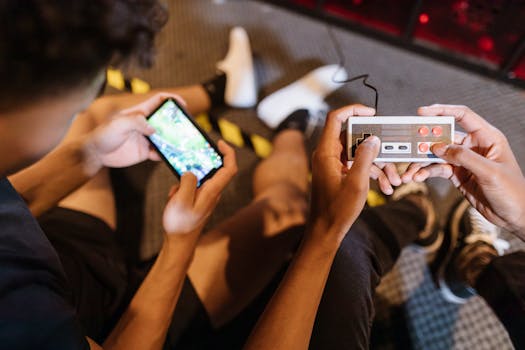
Mobile Game Communities and Social Gaming: Real Connections in Virtual Worlds
Making new friends isn’t always easy, but social gaming on mobile can break barriers. You’ll find that mobile game communities bring people together beyond simple competition.
Whether you’re swapping tips, sharing wins, or joining group chats, the relationships formed while gaming often spill into everyday life. This shift helps gaming feel like a shared adventure.
Dive into this guide for fresh strategies to get the most from mobile game communities, learn how social features work, and discover actionable ways to enrich your gaming life.
Building Supportive Mobile Game Communities from the First Interaction
Every player has a role in shaping healthy mobile game communities. Start with positive greetings and learn to welcome newcomers like someone greeting a neighbor moving in next door.
A simple “Hey, good luck!” can turn a lone match into the first step of lasting membership. Adopt this approach whenever you spot someone new in chat or the group list.
Creating Inclusive Group Chats Through Simple Steps
Use clear, inviting group names such as “Casual Players Welcome” or “Strategy Tips for All”. These labels tell everyone: yes, you belong here.
Assign simple chat rules like “No spoilers” or “Help requests go here,” posted at the top. These help newer members contribute confidently from the start.
Remind regulars to answer questions with encouragement, not criticism. That sets a tone where newbies stick around rather than quietly leaving after asking for help once.
Encouraging Sharing Without Pressure
Try an easy daily prompt—post “Today’s Win Wednesday: Share the funniest thing that happened in your latest game” to spark low-pressure participation.
Respect silent members; not everyone enjoys chatting every day. You can say, “You’re welcome to just read along if you like. No pressure to post!”
If someone shares a screenshot, respond with something specific, such as “Nice move! I’m learning from that setup.” Appreciation keeps people coming back to mobile game communities week after week.
| Community Feature | Actionable Tip | Common Mistake | Takeaway |
|---|---|---|---|
| Group Chat | Set regular themed days | Ignoring quiet users | Rotate prompts to engage all members |
| Guilds/Clans | Rotate leadership duties | Letting admin burnout | Share tasks for longevity |
| Event Planning | Poll for timezones | Scheduling in only one time zone | Accommodate global participants |
| Help Channels | Pin beginner tips | No answer to FAQs | Encourage quick reference posts |
| Voice Chat | Host “Intro Night” | Only gaming talk | Mix personal chat for bonding |
Hosting Regular Social Gaming Events to Foster Meaningful Participation
Consistent activities transform mobile game communities into lively gathering places. Plan short “Game Night” sessions to encourage casual attendance and make it easy to drop in.
Set up predictable schedules—such as every Friday at seven—so people can look forward to joining friends for a tournament or relaxed cooperative challenge.
Making Events More Accessible for All
Choose games that support solo and small group participation, allowing anyone to join without waiting for a full roster. This removes participation barriers.
Advertise events in advance using pinned announcements or community calendars. A reminder two hours before start time helps busy members remember to log on.
- Send out simple RSVP polls to gauge interest and adjust session size. This ensures enough spots for everyone but keeps things friendly and welcoming for new faces.
- Include alternative activities like “Trivia Breaks” or “Mini Challenges” between main matches for those wanting a lighter option.
- Rotate host duties so no one person feels all the responsibility. Shared roles maintain energy and foster leadership in mobile game communities.
- Record memorable highlights (funny fails, close wins) with permission and share them post-event to keep community chatter going later in the week.
- After each event, post a thank-you note with a shout-out to all who participated, recognizing efforts and maintaining positive momentum for next time.
Even small regular events—even monthly—build traditions people want to revisit, making the community feel anchored and alive.
Turning Recaps Into Learning Moments
Share brief summaries after big events, spotlighting both surprise winners and group achievements. Anyone reading these can learn strategies by seeing what worked for others.
Include direct quotes from participants, such as, “I never thought mixing defense and speed could win us that last round!” Insights like these drive thoughtful discussion and improved play.
- Create recap posts using a “What We Learned” format to organize feedback and share tactical advice with members who missed the gathering.
- Invite players to comment on what worked and what they’d try differently, fostering collaboration as part of mobile game communities.
- Encourage respectful debate if strategies differ, guiding the conversation toward curiosity rather than competition so wisdom builds, not divides the group.
- Rotate who writes these recaps to let newer voices share their view and feel valued in the leadership process.
- Keep recaps concise but actionable, so anyone can take away an idea to use right away in their own sessions, strengthening shared skillsets.
Recaps with honest assessments win respect—avoid hiding mistakes, and instead celebrate the group’s willingness to learn together.
Establishing Clear Communication Norms for Smoother Play
Well-defined communication rules let mobile game communities thrive. Start with transparent standards, like “No personal attacks” or “Help newcomers understand lingo,” and revisit them regularly.
Share these guidelines in a pinned message, so everyone knows what’s expected and can reference them as needed, particularly for bigger or fast-growing groups.
Dealing Quickly with Disagreements to Prevent Escalation
When tension rises, a moderator can say, “Let’s take a break and revisit this calmly in ten minutes.” Clear timeouts help emotions cool and protect the group’s positive vibe.
Appoint multiple trustworthy moderators, so no one person carries the burden. This approach relieves pressure and ensures disputes are handled fairly.
After any big disagreement, post an open invitation: “Would anyone like to suggest updates to our group rules based on this experience?” Ownership builds collective responsibility in mobile game communities.
Practicing Constructive Feedback to Build Trust
Use this script when correcting a teammate: “Next time, if you try the flank approach, we might avoid that rush” instead of blaming. Positive framing builds trust and growth.
Schedule regular feedback sessions so smaller grievances get addressed before they fester. Offer forums for anonymous input, so everyone feels safe sharing honest opinions.
Encourage gratitude by modeling it. Say, “Thanks for trying the new strategy; your effort really helped,” so appreciation spreads across the mobile game communities naturally.
Balancing Competition and Collaboration for Group Success
Mixing competitive and cooperative play strengthens loyalty in mobile game communities. Use a “team swap” rule so players regularly switch partners and learn new tactics.
Alternate tournament-style events with group goal challenges to keep things fresh and inclusive, ensuring glory isn’t limited to just the top scorers but shared among all.
Role Rotation Encourages Broader Engagement
Designate rotating roles like “Strategy Leader” or “Social Organizer.” For example, invite a newer member to plan next week’s event, letting them showcase leadership skills.
Share the mindset: “Everyone gets a turn to lead,” so no one feels left out of decision-making in mobile game communities. This creates shared investment in your group’s progress.
Implement a feedback form after each leadership stint asking, “What felt tough? What did you enjoy?” Insights keep role rotation positive and educational.
Using Friendly Rivalries to Motivate Participation
Set up mini-leagues where casual competition fuels engagement. Keep standings lighthearted, tracking quirky metrics like “Most Creative Skins” or “Best Save of the Match.”
Publicly recognize winners and creative rule-breakers to motivate more involvement. Use a message like, “Congrats, you earned the ‘MVP for Bravery!’” to encourage pride and laughter.
Finish rivalries with group activities—such as “Victory Selfie” sessions—to celebrate participation and keep competitive streaks friendly within mobile game communities.
Supporting Player Well-being Through Healthy Gaming Habits
Leaders in mobile game communities can directly help members set healthy boundaries. Periodically remind everyone that real-life needs take priority over “one more match.”
Encourage status messages like “BRB—study break!” so teammates know not to expect instant replies. Respect for offline time helps prevent burnout and negative emotions.
Scripts to Encourage Breaks Without Guilt
Message the group: “Need a screen break—see you in 20!” Others will copy this model, normalizing pauses for self-care and reducing pressure to stay logged on constantly.
If someone apologizes for missing a session, try, “No pressure—life comes first!” Little reminders make it okay to step away and return refreshed, preventing guilt.
Use analogies like, “Games are like books—you don’t have to finish every chapter in one sitting,” to reframe expectations and foster balanced habits in mobile game communities.
Leveraging Game Tools and Apps for Better Social Gaming Experiences
Harness available tools to coordinate and maintain your mobile game communities with less stress. Use shared calendars, in-game polls, and scheduling bots to organize play sessions smoothly.
Platforms with “push-to-talk” voice features let you chat while keeping background noise low. Mobile chat overlay apps allow players to multitask—no need to switch screens.
- Test notification settings before events; send a “Ping Test!” to ensure reminders don’t get missed or muted by accident.
- Automate welcome messages for newcomers using chatbots or pinned posts, so the group always feels friendly and prepared if admins aren’t online.
- Create channels for off-topic chats, such as “Pets and Hobbies”, to build connections around shared interests unconnected to scores or playtime.
- Update group calendars with not just match times but “Skillshare” events where members can teach each other, making skill progression part of the community tradition.
- Rotate digital “librarian duty”—a weekly volunteer posts summaries, saving key tactics or strategies for members who missed live sessions, aiding group growth and cohesion.
Practical Troubleshooting in Real Time
When tech issues hit mid-session, empower a designated helper to post: “If you freeze, just restart and rejoin. Don’t worry—we’ll pause two minutes!” Stability keeps stress down.
If platform outages strike, shift the group chat to a backup app or SMS chain: “Log in here for Plan B!” Quick reroutes keep sessions running and sustain momentum in mobile game communities.
Document fixes or best-practice checklists in a pinned post, so future issues don’t slow down the next event and everyone can recover fast.
Establishing Real-Life Friendships Beyond the Game
Connections built through mobile game communities often carry into real life. Celebrate group milestones, like anniversaries or personal achievements, to solidify these bonds.
Arrange optional meetups, locally or virtually. Friendly “Game & Chat” video calls help faces match usernames, deepening trust beyond the screen and creating memorable moments together.
Planning Safe and Welcoming Meetups
Share clear etiquette when organizing a gathering, for example: “Everyone’s welcome, but RSVP so we book enough space. Bring a friend!” Thoughtful invitations set positive expectations.
Use group polls to pick activities everyone enjoys—some might prefer classic board games while others want new mobile games, ensuring the event feels personal and meaningful.
Always offer remote participation: “Can’t attend? No worries—join via video chat!” This inclusivity ensures all members remain engaged, no matter their circumstances.
Maintaining Community Spirit Offline
Establish simple traditions, like sending birthday e-cards or posting well wishes during exams or stressful seasons. Regular kindness boosts morale and strengthens bonds.
Encourage members to check in periodically, not just for games but also to celebrate milestones like new jobs or small wins outside the virtual world.
Schedule “No-Game Nights” for story sharing, creative showcases, or hobby spotlights—these deepen friendships rooted in more than just gameplay, keeping mobile game communities vibrant year-round.
Social Gaming’s Impact Lasts Beyond the Screen
Mobile game communities support friendships, personal growth, and memorable experiences that outlast individual sessions. Regular positive interactions inspire players to keep returning and learning together.
By championing social events, balanced habits, and inclusive communication, you’ll help transform casual groups into valued support networks. These lessons make mobile game communities a powerful part of everyday life.
Start using the scripts, structures, and routines from this article to enrich your virtual and real connections—your next favorite teammate or friend could be a tap away.