
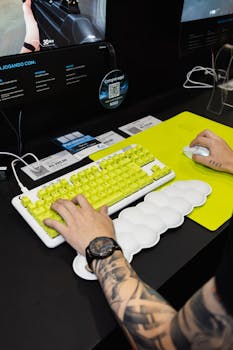
Essential Gaming Tips for Improving Reaction Time
Lightning-fast reflexes can make the difference between victory and defeat. Reaction time is a core skill, and smart gaming tips help players get ahead in high-stakes battles.
Whether tackling solo challenges or facing rivals online, sharpening your reactions builds confidence. Good habits help players shave down milliseconds with precision, endorsing these gaming tips for steady improvement over time.
If you’re ready to boost your competitive edge, let’s explore concrete gaming tips that transform hesitation into instant, winning action. Dive in to discover step-by-step strategies you can use tonight.
Building a Lightning-Fast Setup for Faster Decisions
Optimizing your setup delivers immediate benefits, letting every gaming tip you apply translate into split-second, real-time performance. Ergonomics transform potential into actionable results through posture, placement, and calibration.
Set a rule: “My mouse, keyboard, and monitor line up directly with my sight—no tilting, no clutter.” This keeps reactions snappy and predictable under any pressure.
Dialing in Mouse and Keyboard Sensitivity
For any action game, default sensitivity usually leaves players under- or overshooting. Adjust both mouse DPI and in-game settings to ensure aiming feels responsive but controlled.
If it feels like your crosshair drifts or stops short, decrease sensitivity. When you can’t keep up with sudden action, try small increases, testing each new level in-game till it feels right.
Spend a week on each setting change before settling in. This allows muscle memory to lock in, converting these gaming tips into lasting habits for future play sessions.
Monitor Refresh Rate and Response Time Choices
Choose a monitor with a refresh rate of at least 120Hz and low response time—under 5 milliseconds is ideal. This minimizes screen lag, letting your reactions sync with actual gameplay.
Compare using two setups side by side, observing onscreen motion blur. The faster monitor displays each flick, jump, or turn in real time, letting your reflexes stay sharp even in the fiercest firefights.
If investing in hardware, prioritize response time upgrades over sheer screen size. Gaming tips often point to gear, but targeted purchases make the biggest difference.
| Component | Benefit | Budget Choice | Actionable Advice |
|---|---|---|---|
| Mouse | Precise tracking | Logitech G203 | Test several DPI levels—settle only when every flick feels predictable. |
| Keyboard | Faster key registration | Redragon K552 | Upgrade to mechanical keys for tactile response and less input delay. |
| Monitor | High refresh rate | AOC 24G2 | Choose 120Hz or higher; easy to spot smoother movement in shooters. |
| Mousepad | Consistent movement | SteelSeries QcK Mini | Large, smooth surface supports low sensitivity and quick turns alike. |
| Chair | Healthy posture | RESPAWN 110 | Maintain upright position. Feet flat, arms level keeps strain low—small but vital gaming tips. |
Warming Up and Conditioning for Reliable Reflexes
Establishing a warm-up sequence steadies nerves and accelerates early-game reaction speed. Rituals convert random performance into consistent sharpness with each session using foundational gaming tips.
A few minutes of targeted warm-up exercises can stop your aim from feeling sluggish or clumsy, especially after a long break or busy workday.
Short Pre-Game Routines for Routine Success
Set a ten-minute timer before competitive play. Cycle through training maps, reflex mini-games, or speed drills. Incorporating these daily ensures muscle memory activates instantly for every real match.
Include both precise aim tasks and broad, reactive movements (like target switching or reaction wall drills), mirroring what you’ll face live.
- Start with tracking slow-moving targets for 90 seconds. Feel your hand loosen up, letting baseline accuracy settle without overstressing your wrist.
- Next, aim for headshots only against stationary bots for another two minutes. Laser-focus on small targets sharpens micro-adjustments. Repeating this sequence turns gaming tips into concrete progress.
- Add a flick shot drill—move from one corner to another, alternating fast versus slow snaps. This simulates sudden changes in pace, keeping your reflexes versatile.
- Finish with five minutes on a popular aim trainer, tracking your progress by score or completion time from day to day. Visible gains fuel motivation.
- Jot down one thing you noticed: “Shoulder felt tense,” “Mouse skipped at high speed.” Adjust warm-ups accordingly for the next session—a pro gaming tip in itself.
Warming up transforms chance performance into systematic improvement, making these gaming tips a staple for anyone chasing reliable results.
Microbreaks and Hydration Strategies
Take a two-minute microbreak between matches—stand, stretch, and hydrate. Physical resets like these keep both your mind and body primed for lightning-fast decisions.
Drinking a small glass of water before a gaming session ensures you stay focused longer. Tiny rituals like cracking knuckles or rolling shoulders cue your brain that it’s time to compete.
- Keep a refillable water bottle close. Drink between rounds to maintain alertness—hydrated players maintain quicker reflexes, as these gaming tips recommend.
- Gentle hand stretches loosen muscles. Open your palm, press fingers toward the wrist, and hold for 15 seconds each hand. A limber hand delivers quicker key presses and mouse clicks.
- Look away from the monitor for 20 seconds every 40 minutes. This refreshes your vision and avoids eye fatigue in marathon play sessions.
- Alternate between sitting upright and slightly reclined every hour. Changing posture lessens fatigue and supports agile reactions deep into multi-hour gaming sessions.
- Step into another room for one song’s length. Micropauses like these clear your head, minimizing mental errors and sluggish reflexes. Well-rested brains make smarter, swifter moves—another must-use gaming tip.
Integrating pre-game warm-ups and smart microbreaks creates a baseline of consistent, rapid reactions that can reliably outplay slow starters and tired opponents alike.
Deliberate Practice for Shaving Down Reaction Time
Daily training sessions focused on reaction drills let you quickly slice milliseconds off your response speed. Practice turns raw instinct into sharp, consistent gameplay gains through habit-forming gaming tips.
Applying proven methods like spaced repetition and timed challenges keeps progress measurable, transforming improvement into an engaging, trackable process.
Spaced Short Bursts for Long-Term Gains
Set aside 20 minutes per day for focused reaction training instead of marathon sessions. Short, sharp bursts maintain peak concentration, which is crucial for locking in progress over time.
Rotate between reflex mini-games, tracking headshots, or dodging obstacles. Each session should have a different objective, keeping your brain adapting to new patterns and preventing burnout.
Track improvements in reaction time and accuracy using in-game stats or third-party tools. Watching numbers shrink is rewarding—fueling the drive to keep refining your routine gaming tips.
“Simulate Stress” to Prepare for High-Pressure Plays
Simulate match conditions by adding stakes—like push-ups for missed shots or verbal callouts for every error. These self-imposed pressures mirror the mental stress of real matches.
Ask a friend to spectate and offer quick feedback on reactions. Hearing “You hesitated—try again” builds mental resilience for tense in-game situations.
After each drill, pause. Ask yourself, “Where did I freeze? What did I anticipate?” Write down one actionable change and apply it immediately—one more gaming tip with lasting results.
Moment-to-Moment Awareness for Real-Time Success
Boosting your in-game reactions starts with developing active awareness of everything on screen. Focus drills help you predict moves even before they happen, applying smart gaming tips for instant decisions.
Players who watch cues and preempt threats consistently outperform those reacting late. Training this awareness supports faster response times and sharper tactical choices.
Recognizing Cues, Signals, and Patterns
Learn to spot visual or audio signals—like footsteps, weapon reload sounds, or map flashes—that cue enemy movement. Observing patterns allows you to respond before a threat appears.
Try naming cues aloud. Saying “footsteps left” or “flash right” trains your brain to link sounds and visuals with quick action, embedding this gaming tip through repetition.
Map awareness drills in custom games reinforce this—set a target to call out each event for 15 minutes per session. You’ll notice your reaction speed jumps quickly with routine practice.
Strategic Anticipation and Positioning
Position yourself with exits and cover in mind, minimizing reaction distance when an enemy appears. Think, “If someone pushes this door, I’m already facing the angle.” This slashes response times under fire.
Analogy: Like sitting near a door when waiting for guests, minimizing steps makes opening the door instant. In games, shrinking travel distances translates directly to faster reactions.
Keep your crosshair aimed at common locations before peeking or moving. Crosshair placement is the tactical anchor of real-world gaming tips for solid reaction play.
Minimizing Distractions to Sustain Pinpoint Focus
Eliminating background noise and clutter lets your mind zero in on in-game cues, applying these gaming tips to sustain clear concentration during high-stakes moments.
Establish ground rules to control your space: set “no phone, no unrelated tabs open, and ask housemates for quiet hours” as your non-negotiables before booting up for a session.
Crafting a Dedicated Gaming Environment
Close all nonessential software, turn off notifications, and dim lights to isolate focus on gameplay alone. Use headphones for a sound barrier, tuning out world distractions and elevating concentration.
Arrange your desk so only the essentials (monitor, controls, water) are within arm’s reach. Keeping snacks, notepads, or cords out of sight reduces visual distractions, according to top gaming tips.
Set a single playlist for background music, calibrating volume to avoid sudden spikes that break immersion. Steady, mellow soundtracks enhance mental stamina in long matches without overloading your senses.
Smart Sleep, Nutrition, and Body Awareness for Peak Play
Reacting in milliseconds starts outside the game. Proper sleep, nutrition, and posture fuel every gaming tip you read, letting your body deliver quick decisions reliably night after night.
Players who fuel up and rest well see fewer sluggish games, steadier nerves, and sharper acuity, multiplying the impact of every practice drill and pre-game ritual.
- Keep a sleep schedule—aim for seven hours minimum. Sleep debt slows reaction speed, causes errors, and dampens memory. Set a consistent bedtime and notice how steady routine raises your game.
- Snack on protein and complex carbs pre-game. Foods like almonds or oatmeal deliver steady energy without crashes, keeping your focus sharp for multi-hour sessions—another frequently cited gaming tip.
- Check your posture mid-match. Shoulders relaxed, neck straight, elbows close. Poor posture tires you out and delays response time, so adjust right away if you notice any slouching.
- Stretch your wrists and forearms every break. This can prevent cramps and keep blood flowing, fueling fast, pain-free movements deep into intense matches.
- Breathe deep during tense moments. Proper breathing oxygenates your brain, giving you stress resistance and quick reflexes when everything is on the line. Integrate it with other gaming tips for reliable wins.
Intelligent Review and Targeted Improvement Each Week
Making gaming tips stick means reviewing your matches for actionable insights. Weekly self-reflection turns raw feedback into steady upgrades, a hallmark habit of high-level players seeking quick reaction improvement.
Set a calendar alarm: once a week, review at least ten minutes of your past gameplay. Jot specific timestamps for moments where you hesitated or shined under pressure.
Clip Analysis for Pinpoint Learning
Load up replays and watch in slow motion. Pause whenever you notice a delay—then ask, “What slowed me down?” List three changes to test in the next match.
If you freeze when enemies jump around corners, drill peeking techniques or crosshair placement during your warm-up. Apply feedback directly to transform gaming tips into on-the-ground solutions.
Share highlight or lowlight clips with friends. Ask for two concrete suggestions: “What would you do here?” Outside perspectives spark new angles you can integrate immediately.
Tracking Progress and Consistency Over Time
Keep a reaction time log using built-in stats, browser tests, or third-party tools. Record your fastest times, worst lapses, and trends for each week you practice.
Each Sunday, review your record. Celebrate small milestones: a half-second shaved off, fewer panicked clicks, steadier aim. Use this positive feedback to stay motivated month after month.
Set new goals based on trends: “Faster side-swipes” or “Fewer multi-click panics.” Specific, realistic objectives ensure gaming tips drive long-term skill growth.
Bringing It All Together: React Faster, Win Smarter
Every second shaved off your reaction time stacks up with focused setup, reliable warm-ups, practical self-review, and healthy routines—making gaming tips an essential part of your improvement toolkit.
Intentional practice in short, daily bursts, matched with good sleep and smart nutrition, ensures you bring peak reaction speed every time you jump into a session with friends or competition.
Welcome small, repeatable changes—pick one new gaming tip each week, commit, and reflect. Progress turns into habits, and habits make fast reflexes second nature at every level of play.