
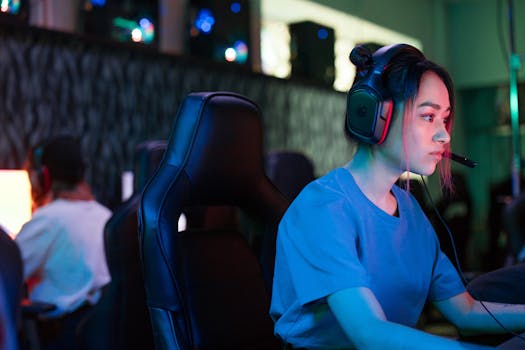
Time Management Strategies for Long Gaming Sessions
Long gaming sessions can pull you into a thrilling new world. Yet after hours, your focus may wander without smart routines guiding your gaming time management strategies.
Balancing in-game excitement with real-life responsibilities becomes challenging as marathon sessions approach. Good time use matters for keeping your energy, focus, and enjoyment high across every hour.
This guide explores gaming time management solutions so you can play longer, compete harder, and still feel great after logging out. Let’s dig into practical, actionable tactics tailored to real players’ needs.
Create a Realistic Play Schedule Before Pressing Start
Setting a clear plan before each gaming marathon helps you avoid lost hours. Establish boundaries to keep your gaming time management goals on track from the start.
A well-defined schedule makes it easier to log out feeling satisfied, not burned out. Instead of guessing, make your hours count by outlining session windows in advance.
Use Timed Blocks and Alarms to Structure Sessions
Divide your session into distinct blocks: maybe 90 minutes of play with fifteen-minute breaks. Set alarms for each segment so you don’t lose track.
This system mirrors how athletes structure workouts, ensuring mental and physical rest while keeping your gaming time management steady and intentional.
Many players say, “I’ll stop after this match,” but alarms add external accountability to override that next-game urge. Try placing your phone across the room to force movement during breaks.
Plan Session Goals and Checkpoints in Advance
Before you load a game, jot down two to three clear goals: finish a story mission, reach a new rank, or test a new weapon.
These pre-set targets clarify what counts as “progress,” providing motivation and stopping aimless wandering. Write goals on a sticky note or whiteboard near your setup.
When you hit a checkpoint or complete an objective, reward yourself with water, stretching, or a snack—actual behaviors reinforce the game plan and close each segment.
| Session Length | Block Duration | Break Activity | Game Type Fit | Takeaway |
|---|---|---|---|---|
| 3 hours | 90 min play / 15 min break | Walk, hydrate | RPG or shooters | Prevents burnout, keeps focus sharp |
| 2 hours | 60 min play / 10 min break | Stretch, snack | MOBA or racing | Promotes consistent energy |
| 4 hours | 100 min play / 20 min break | Move, check posture | Strategy or simulation | Improves physical health |
| 6 hours | 2-hour play / 20 min break | Meditation, fresh air | MMO or sandbox | Reduces fatigue and eye strain |
| Any | User-defined | Custom—find what refreshes you | Flexible for all | Experiment for best results |
Minimize Distractions and Tune Your Setup for Focused Play
Optimized environments keep your attention locked on gameplay and level up your gaming time management efficiency. Arrange your space so interruptions rarely yank you from flow.
Securing a distraction-free zone means more in-game progress and a more satisfying wind-down when you finish. Use this actionable checklist to boost your focus quickly.
Fine-Tune Your Physical and Digital Space
Silence non-essential notifications on your devices before you start playing. Move your phone out of reach or set it to “Do Not Disturb.”
Clear clutter from your desk and keep only water, snacks, and essential gear nearby. A simplified space means fewer temptations to multitask.
- Mute phone notifications: set to silent mode, so your eye doesn’t twitch toward every ping, preventing breaks in concentration and supporting gaming time management.
- Adjust chair and monitor height: align screens at eye level and maintain a neutral posture to keep focus on gameplay, not on neck or back pain.
- Set lighting to reduce eye fatigue: dim overheads and use bias lighting behind monitors to relax your vision during long sessions, increasing engagement stamina.
- Stock healthy snacks nearby: choose nuts, fruit, and water to keep energy high; avoid sticky or messy foods that could interrupt control use or cause unscheduled breaks.
- Tidy workspace before starting: remove unrelated books or devices, keeping your session about gaming only and locking in focus from the opening minute.
This environment checklist puts you in the right mindset to maximize both enjoyment and gaming time management effectiveness.
Reduce Social and In-Home Interruptions
Let friends and housemates know your schedule ahead of time to minimize unexpected visits or loud background noise. Close doors and communicate when you’re unavailable.
Consider a “gaming in progress” note for roommates or family as a clear boundary. Use over-ear headphones to dampen ambient sounds and maintain direct focus on your matches.
- Inform housemates of session times: a quick group message before starting sets the expectation of privacy, so you’re less likely to be distracted or interrupted, boosting game progress.
- Choose over-ear, noise-cancelling headphones: these not only cue your household that you’re playing seriously, but they also mute irrelevant background noise, enhancing immersion and gaming time management.
- Limit open browser tabs on your device: fewer distractions mean fewer breaks in concentration. Keep only necessary windows open, and avoid chat apps that can break your rhythm mid-play.
- Schedule play breaks when others are busy: align your in-game pauses with house routines; you won’t miss out on social time, and you’ll avoid getting pulled away mid-match.
- Post a visible sign if needed: sometimes a polite sticky note at your door lets household members know you’re deep into a focused session, keeping you undisturbed for critical game segments.
Managing your environment in these direct ways can mean the difference between steady, productive gaming and disjointed, frustrating sessions.
Pair Physical Wellness Habits with Every Gaming Session Block
Integrating movement and hydration into prolonged play prevents fatigue and supports long-term gaming time management. These habits elevate your ability to sustain sharper focus across every hour.
Like maintaining a car for a road trip, caring for your body during gameplay helps your “engine” perform its best even through multiple hours.
Add Movement Intervals To Prevent Stiffness
Every break, stand and stretch—wiggle fingers and roll shoulders for thirty seconds. March in place or pace the room for at least a minute.
Gentle movement keeps your circulation active and reduces tension that builds up over long gaming time management sessions. Remind yourself with a sticky note, or set a quick alarm.
If you notice soreness creeping in, switch your posture, adjust your chair, and move your wrists in circles. These micro-adjustments add up hour by hour.
Stay Hydrated, Skip Sugary Drinks and Unhealthy Snacks
Refill a large water bottle before your session, and keep it within easy reach. Take a sip each time your game loads a new level or zone.
Replace sodas with water, unsweetened tea, or a small electrolyte boost if playing for long periods. Better hydration means better cognitive and reflex performance for your gaming time management skills.
Choose energy-sustaining snacks: nuts, apple slices, and granola bars. Avoid greasy chips or heavy meals mid-session, as they sap energy and focus, dragging down your play quality.
Build In-Game Routines to Track Progress Visibly
Systematic routines inside your favorite games streamline accomplishments and measure progress consistently, a core part of successful gaming time management.
Rituals that blend short-term achievements and big milestones motivate you to keep advancing while giving each session a clear arc.
Use Task Lists or In-Game Journals for Clarity
Most games have trackable objectives or quest logs. Before starting, review your goals and note two priority tasks for your session.
Finish a map, unlock a character, or craft a rare item—seeing tasks finished upholds gaming time management by pacing your play around achievable markers.
Cross completed items off physically or digitally. Celebrate when you mark something substantial—these tiny “wins” reinforce motivation and discipline for your next block of play.
Break Large Challenges into Daily Micro-Goals
Instead of grinding a daunting storyline or reaching level 100 at once, assign a single milestone per session. Choose bite-size goals you can finish in 45-90 minutes.
Example: “Today, I’ll collect five resources,” or, “I’ll finish one raid and review my stats.” This makes your progress observable and your gaming time management practical.
If you finish early, reward yourself with a longer break or use bonus time for open-world exploration. Always close a session with some progress, no matter how small.
Balance Social Gaming and Solo Play Wisely Across Marathons
Strategic social interactions prevent monotony in long gaming stints. Mixing co-op and solo play sharpens your communication and keeps gaming time management varied and fresh.
Secure and Maintain Positive Team Dynamics
When scheduling co-op games, confirm start and break times with your squad to avoid misunderstandings. Input your session goals in the team chat or calendar beforehand.
Use a script like: “Let’s play from 6-9 PM and break every 75 minutes.” This sets group expectations, making gaming time management shared and accountable for everyone involved.
If clarity stumbles mid-match, pause to ask, “Ready for a stretch or snack in 10?” Group self-care reinforces both performance and camaraderie.
Structure Solo Sessions to Recover and Refocus
After energetic team play, switch gears with a solo session. Use this time to complete personal milestones, learn new skills, or decompress at your own pace.
Solo interludes give your brain a rest from social pressure, directly supporting healthy gaming time management. Use quiet solo blocks to reset before the next group get-together.
If you prefer a social chat in solo play, limit it to one group window. This keeps your focus clear and prevents mental exhaustion from over-socializing.
Review, Adjust, and Celebrate Your Gaming Time Management Wins
Tracking your habits after each session lets you tune future plans and reward steady progress. This review process is the backbone of continuous gaming time management success.
Just as coaches review tapes post-game, analyze your time-use patterns regularly and share results to stay motivated.
Log Length, Focus, and Mood after Each Session
Jot down how long you played, where you lost focus, and how satisfied you felt upon logging out. Use a gaming journal or an app for tracking sessions.
Note any distractions or moments of real-life interruption: did a poorly timed snack slow you down? Did a team chat turn negative? Written records reveal patterns to improve.
A simple traffic-light system works for quick journaling: green for focused fun, yellow for drift, red for burnout. Next session, adjust your approach using these cues.
Tweak Your Plan and Celebrate Tiny Victories
Example: if your three-hour session felt too long, try a two-hour session with extra breaks. If distractions cut into your fun, prioritize environment tweaks next play day.
Mini-celebrations improve motivation—finish a tough quest, reward yourself with a victory screenshot or a quick group cheer in chat. These moments cement better gaming time management habits.
If you hit a weekly time or progress goal, consider taking a full rest day offline as a bonus reward. This keeps energy high and propels future sessions forward.
Keep Long Sessions Enjoyable and Sustainable for the Long Run
The smartest gaming time management always balances excitement, achievement, and well-being across every extended session. Using these targeted strategies means every session stays enjoyable and productive.
Check your schedule and settings before each play; structure your environment, stretch between blocks, and keep hydration and progress tracking close at hand.
As you sharpen these habits, share your own tweaks with friends or your team. Everyone benefits from better energy and fun that lasts until the final match.